Folklore ribbons, Swedish ribbons

The black, woven "Leksandbanden" are considered to be among the finest in Swedish textile art. Intricate patterns were woven by hand with very thin thread on a special ribbon loom. The black thread was dyed at the same time as it was spun. The dye baths were mixed with soot from tar wood sticks and urine which gave a soft and fairly durable color. Grave finds from the 13th century were found under Leksand's church in 1971.
The patterns and knowledge were inherited in the family between the older and younger on the farm while the parents worked in the field. The patterns varied from farm to farm. Part of that tradition lives on today and both hand-woven and machine-woven ribbons are used and manufactured. Many traditional patterns tied to a particular place have disappeared, but new patterns in a similar style are constantly being created. Siljansbygden in Dalarna has a living tradition.
NATIONAL COSTUMES
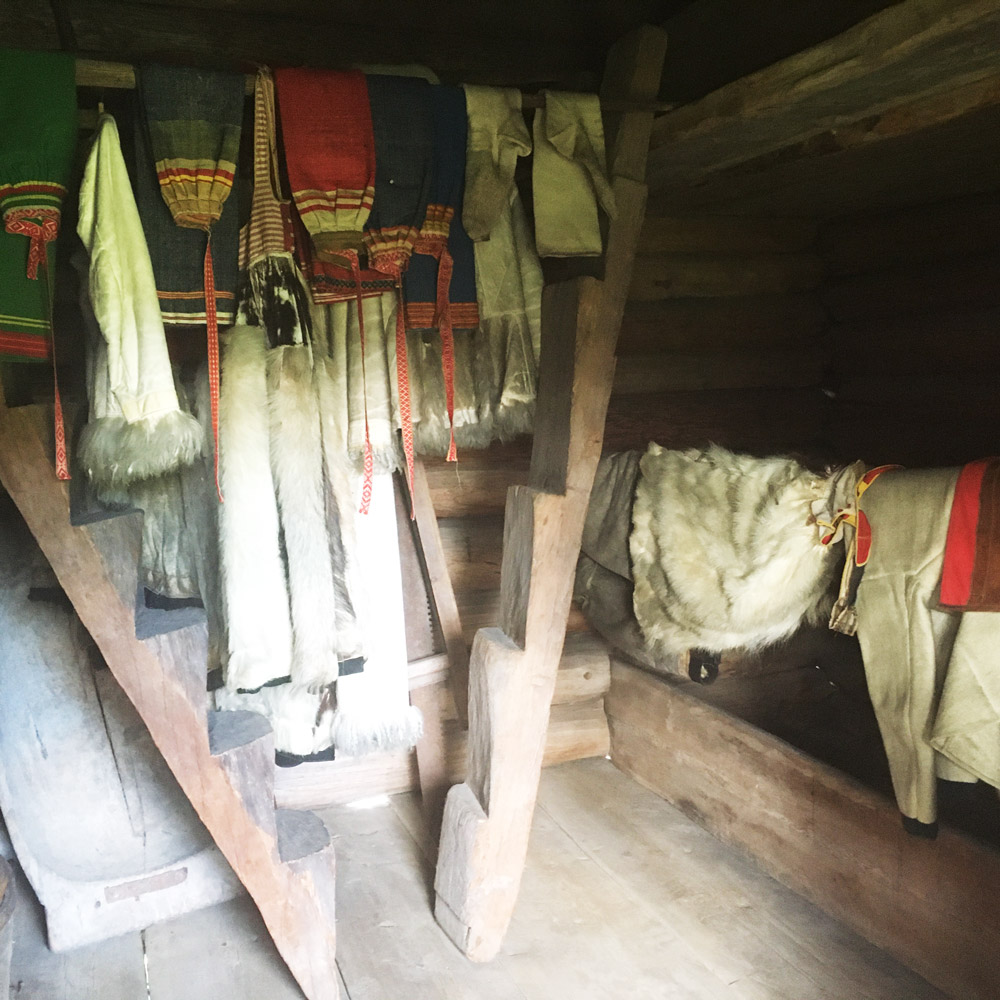
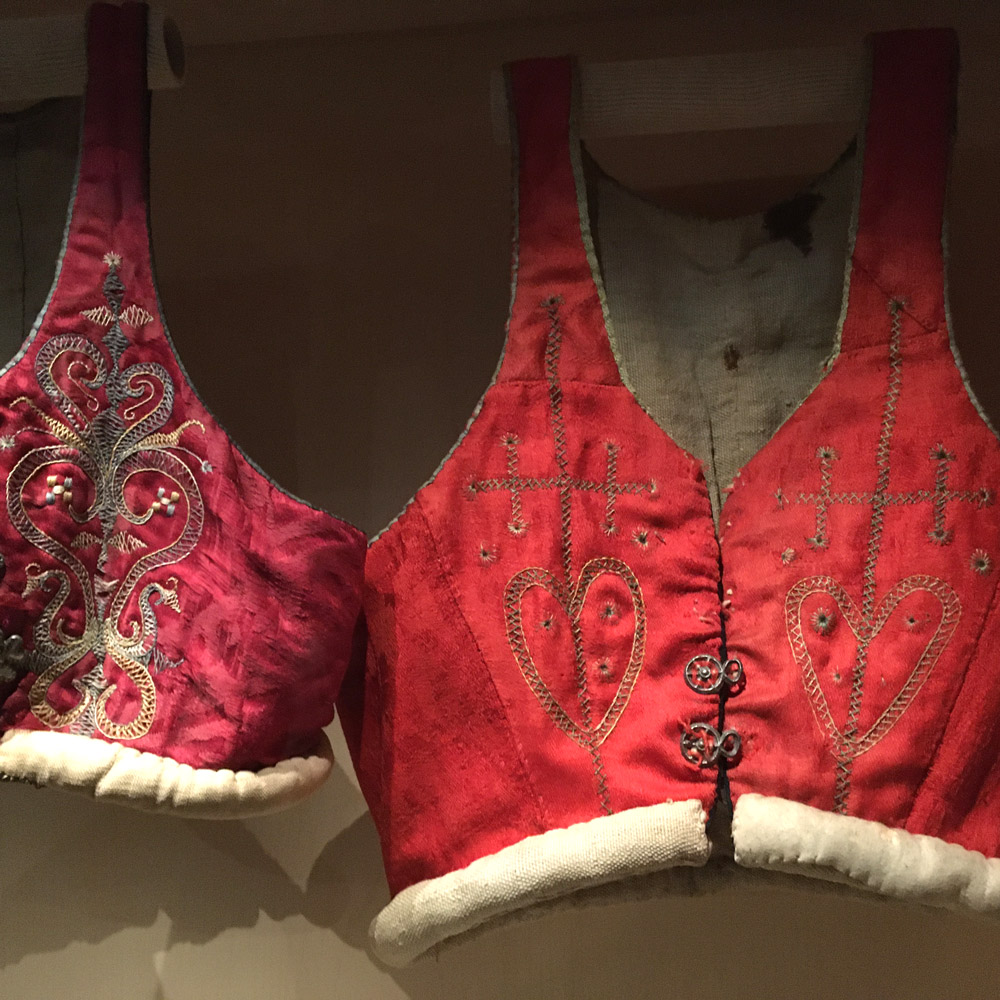
Folkdräkt/ Folk costume is the clothes that the common people wore in the early peasant society called. The outfit showed where you came from, social status and was governed by special unwritten rules that everyone in that area knew. It was important to dress up for church visits and holidays. The tradition is mainly found in Dalarna, Skåne and Södermanland.
In the early 19th century, the use of folk costumes declined. But 50 years later, when Arthur Hazelius founds the Nordic Museum, typical festive costumes where collected from all over the country. Based on them, new costumes were created, which presented a stereotypical picture of what a folk costume (rural costume) would look like. The Swedish national costume (Nationaldräkten) was developed in 1902.