
Embroidery Linen, Plain Weave and Twill
Plain weave are braided wires and comes in different sizes and tightness. The fabric can be thin and a little transparent for tablecloths etc. or coarser for pillows, bags etc. Embroidered with cotton mouliné, flax seed, worsted etc. Twill is a sturdy-deep diagonal-woven fabric for heavier wool embroidery (crewel) and rustic work as historical wall hangings with heavier ornaments like heavy crewel, beads etc.
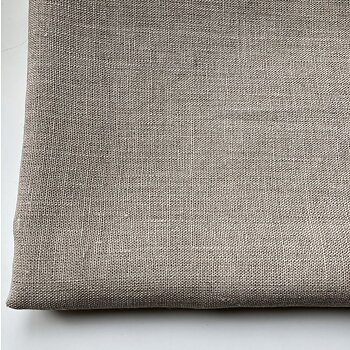
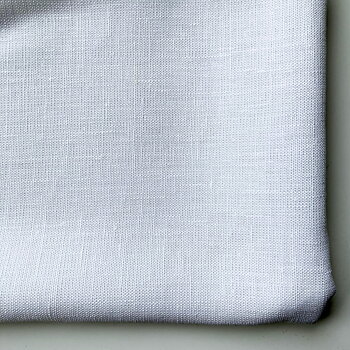
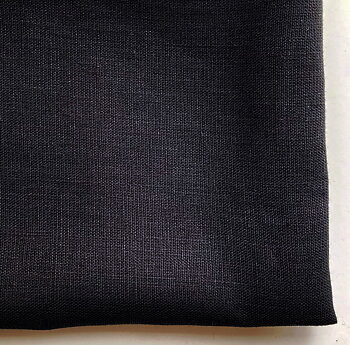
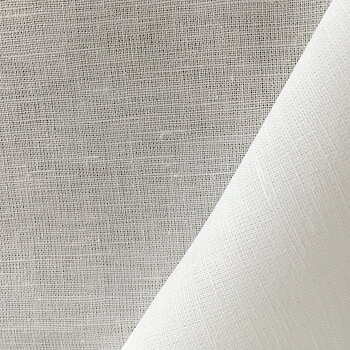
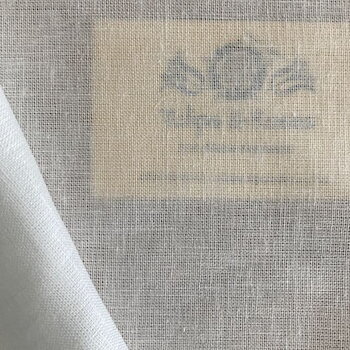
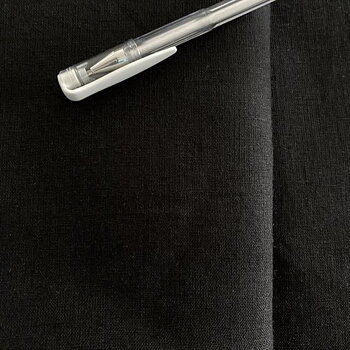
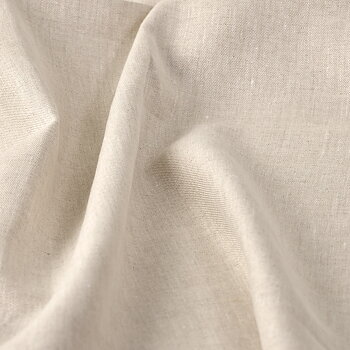
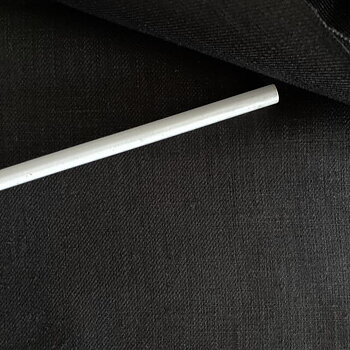
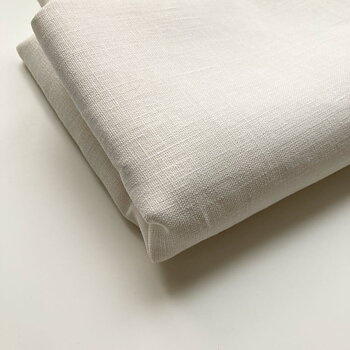
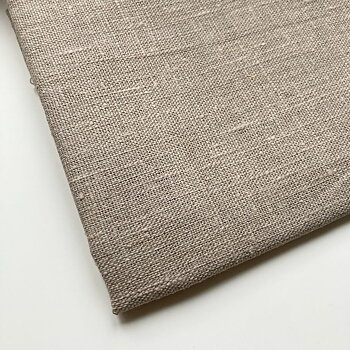
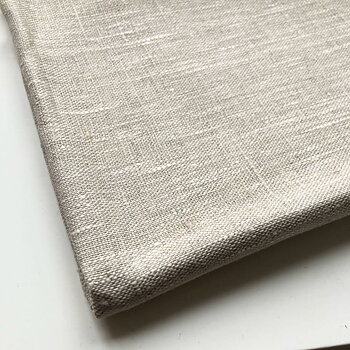
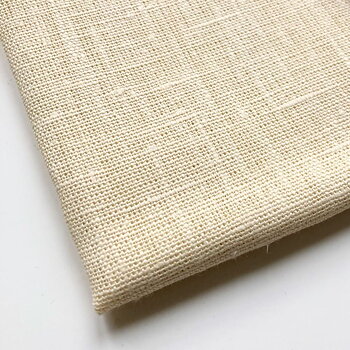
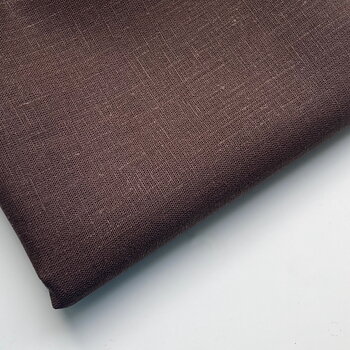
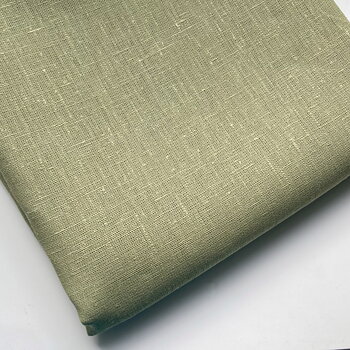
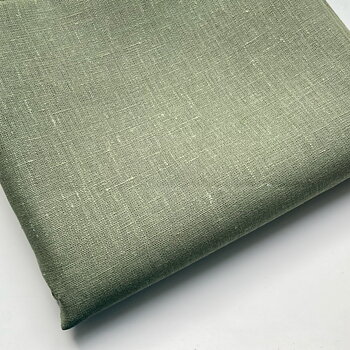
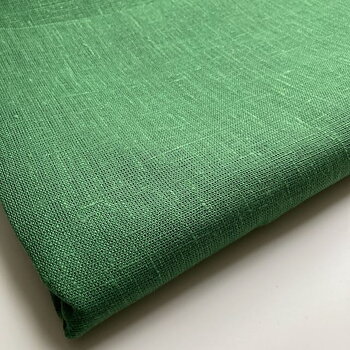
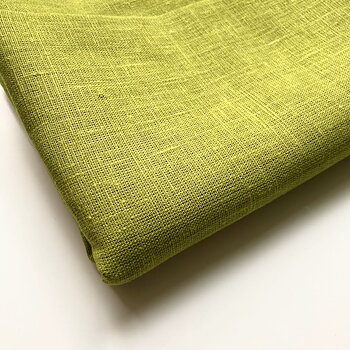
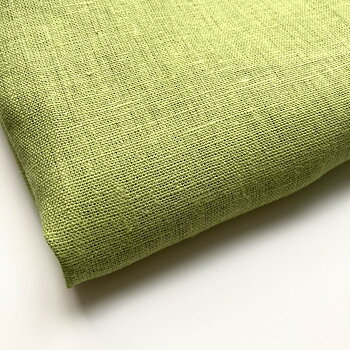
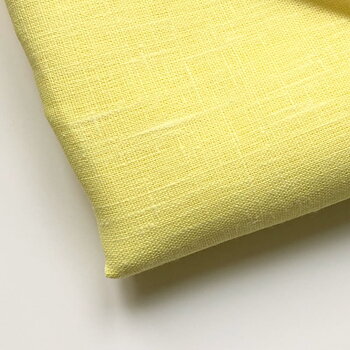
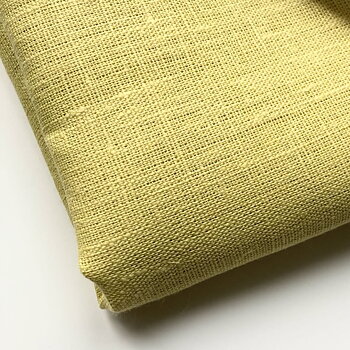
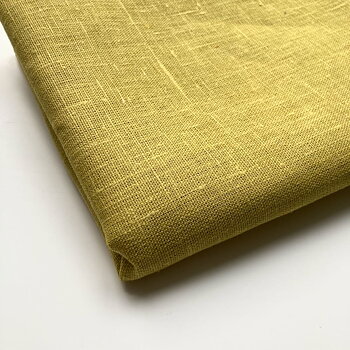
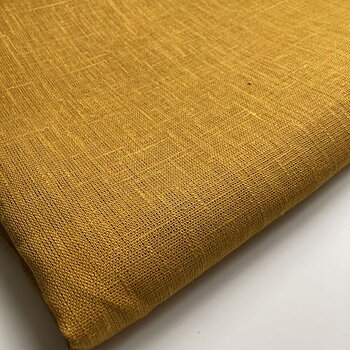
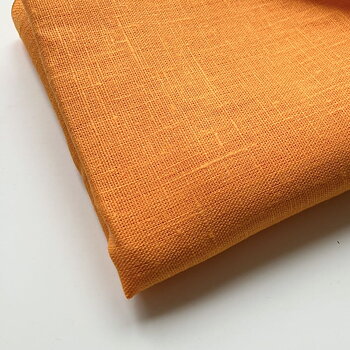
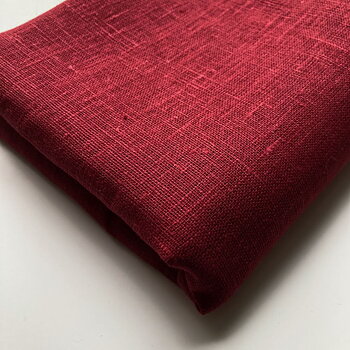
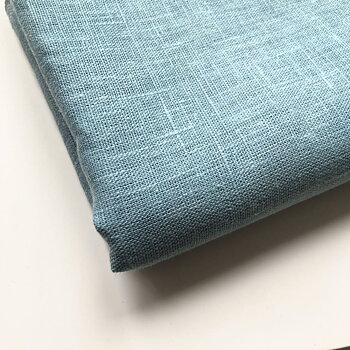
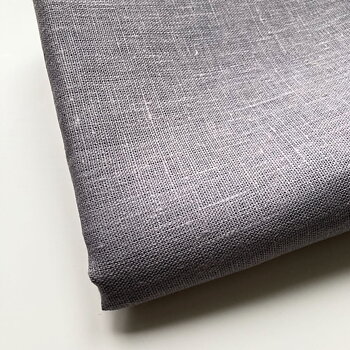
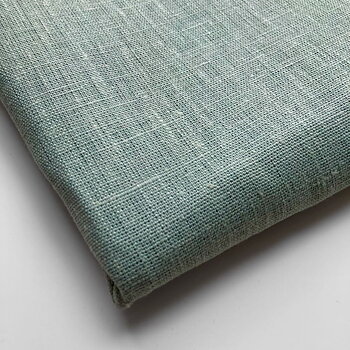
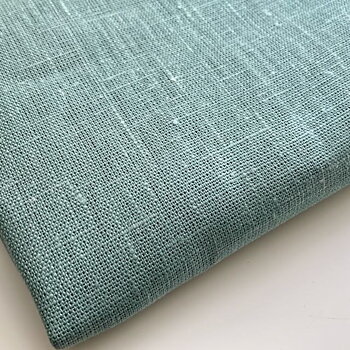
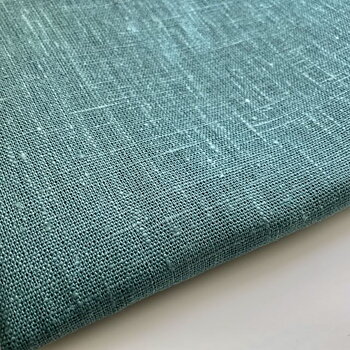
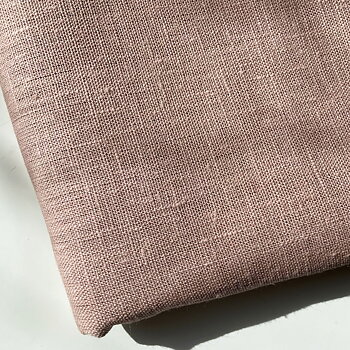
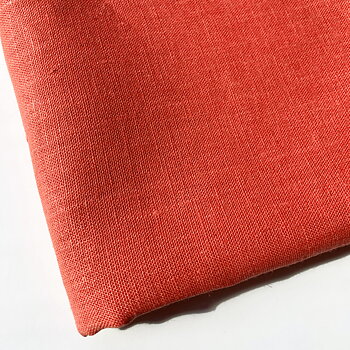
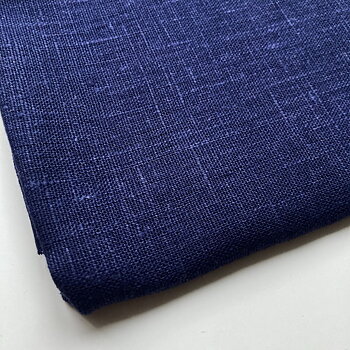
Linen is available in a variety of qualities: tightly woven, thin, unbleached or bleached. The natural color of linen runs ususlly from beige, brown to light grey. Half bleached "antique white" or chalk white is a matter of taste.
The counted linen are sparse weave for cross stitch. Here you count threads and sew over two threads at a time. See under the heading "Counted canvases".
Fine linnen or Half-linen made of a linen and cotton blend to make the fabric smoother and easier to handle. Thin fabric let you draw motifs with light that comes from underneath and shines through the fabric. It is also smoth so it is easier to trace patterns.
Zigzag the edges on a machine or stitch throw stitch around the edges before embroidering and washing. It is easier to embroider on a stiff fabric. When you wash the sparce fabrik will shrink and possibly. the hard feeling becomes softer as the appliance disappears. Some linen may be soft-treated/ washed. It is easier to embroider on a stiff fabric. If the fabric slides you can tap or wind fabric around the embroidery frame.
Linen should not be spin-dry. drip dry and iron on medium heat. Washing is usually done at 40 ° C. Colored linen may be sensitive to the sun and if left folded for a long time.